The Plain Facts, Carved
What It Is
/odins-throne. Same pixels, same behavior as the deployed monitor — the SPA vendored in, scoped so it does not bleed into the rest of Hermes. Auth pairs with the site's Google OAuth via a browser-minted signed key: nothing stored server-side, no standing credential. The plugin talks to the deployed monitor's token-gated /bot surface over REST and WebSocket.
Told in the Seanchaí Tradition
The Build Story
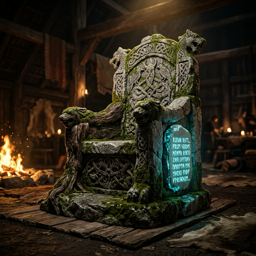
Odin's throne is Hlidskjalf — the high seat from which all the nine worlds can be seen at once, every errand of every soul visible from the one vantage. The deployed monitor earned that name because it sees every GKE agent Job the fleet dispatches: their logs, their decrees, the verdicts they carry home or fail to carry. But Hlidskjalf was always too high for a separate tab — the watcher belongs beside the conversation, not one browser leap away. So the throne was ported: the SPA copied, scoped to its own Norse palette, vendored into Hermes as a first-class plugin. Now the job list docks at the right of every conversation and the log terminal opens as its own workspace page; the fleet's errands scroll in real time while the forgemaster types. The auth is a browser-minted signed key — no standing credential, nothing held server-side — and the /bot surface of the deployed monitor answers both REST and WebSocket. Born from the deep-research in plans/004-odins-throne-hermes-desktop-plugin.md; source SPA lives in development/odins-throne/. Repos deliberately uncoupled — copied, not shared.